

On 21-22 May 2026, the LF Energy SEAPATH community gathered at RTE’s Campus Transfo in Lyon, France – where, as the campus motto reads, “the future of electricity transmission takes shape” – for the first-ever SEAPATH Roadmap Workshop. With 45 participants representing 19 organizations from across the energy and open source software ecosystem, the two-day event brought together utilities, PAC vendors, hardware vendors, and services companies to collectively diagnose the project’s current state and define the roadmap ahead.
A Community That Has Come a Long Way
SEAPATH was initiated in 2019 by RTE and Savoir-faire Linux with a simple but ambitious idea: build an open source, industrial-grade virtualization platform for electrical substations. Since then, the project has grown to encompass 26 active repositories, nearly 4,500 total commits, and a global network of contributors spanning utilities, OEMs, and technology companies. SEAPATH 2.0.0 is soon to be released, and RTE is running it in production across six substations as part of its R#SPACE program, with work underway to extend it to critical protection workloads under the VIP’R R&D project.
The 2026 workshop marked the community’s first dedicated gathering to step back from day-to-day development and collectively chart the course for the next generation of the platform.
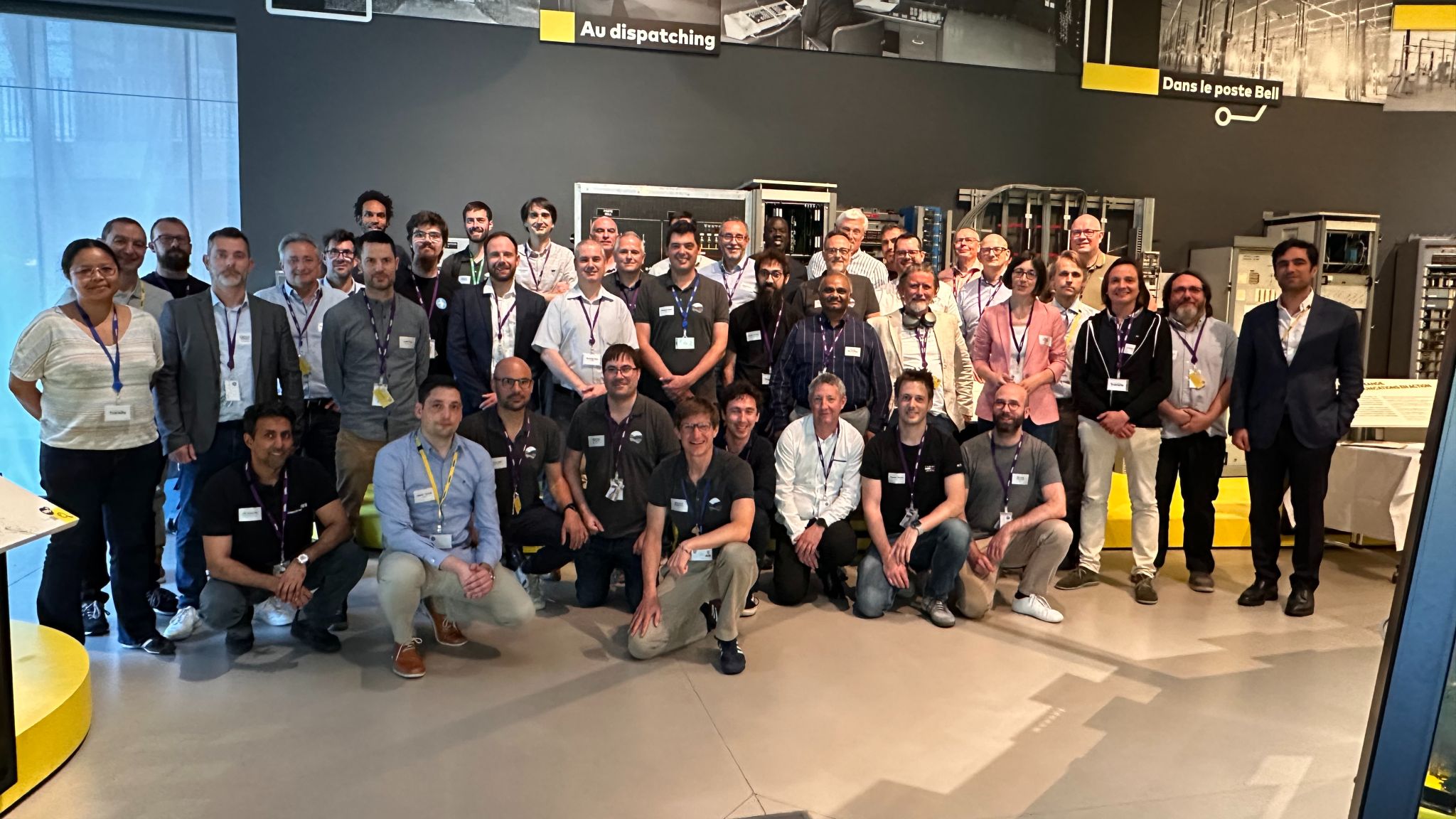
Day 1: Collective Diagnosis and Community Introductions
The first day, hosted at RTE’s Campus Transfo, set the tone with one of the most valuable elements of any community event: introductions. Each participating organization shared where they are today with SEAPATH, what they hoped to get from the workshop, and, in a touch that captured the community’s spirit, what animal SEAPATH would be if it weren’t a software platform.
The answers were telling. ABB and OMICRON both called SEAPATH an octopus, with many coordinated arms, run by one clever central brain. Alliander and GE Vernova chose the chameleon, for its ability to adapt to varied conditions. RTE picked a beaver, an ecosystem builder that creates the open, resilient infrastructure others naturally build upon. Red Hat offered the platypus, a fascinating hybrid creature that defies easy categorization. And Sprecher Automation nominated the mantis shrimp, for its microsecond reaction times and intolerance for anything that introduces latency spikes. Whatever the animal, one theme ran through every introduction: SEAPATH is foundational infrastructure that participants are betting on for the long term.
Following the introductions, Eloi Bail (Savoir-faire Linux, TSC Chair) and Bastien Desbos (RTE) presented the key achievements of the past year:
- SEAPATH 2.0.0-rc1 released at the workshop, featuring a move to cephadm for cluster management, an upgrade to Debian 13 and Yocto LTS Wrynose, documentation refactoring, a new SEAPATH Installer GUI, and initial exploration of container technologies.
- A new SEAPATH website at https://seapath.energy/ and a new LinkedIn showcase page for the project.
- Active deployments and proof-of-concept work by a growing number of organizations worldwide, including National Grid and GE Vernova in the UK, EcoPhi in Sweden, and multiple European TSOs and DSOs.
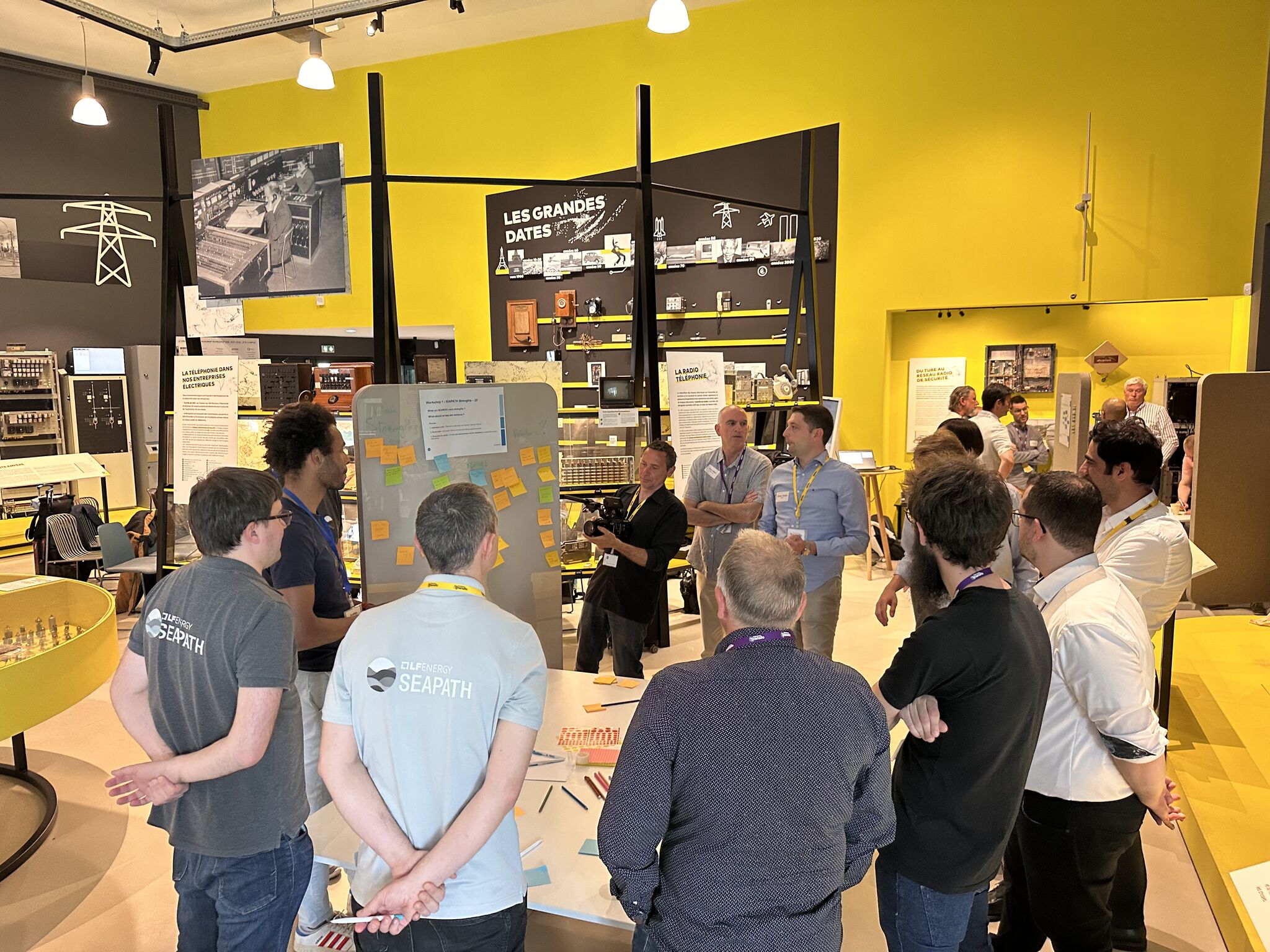
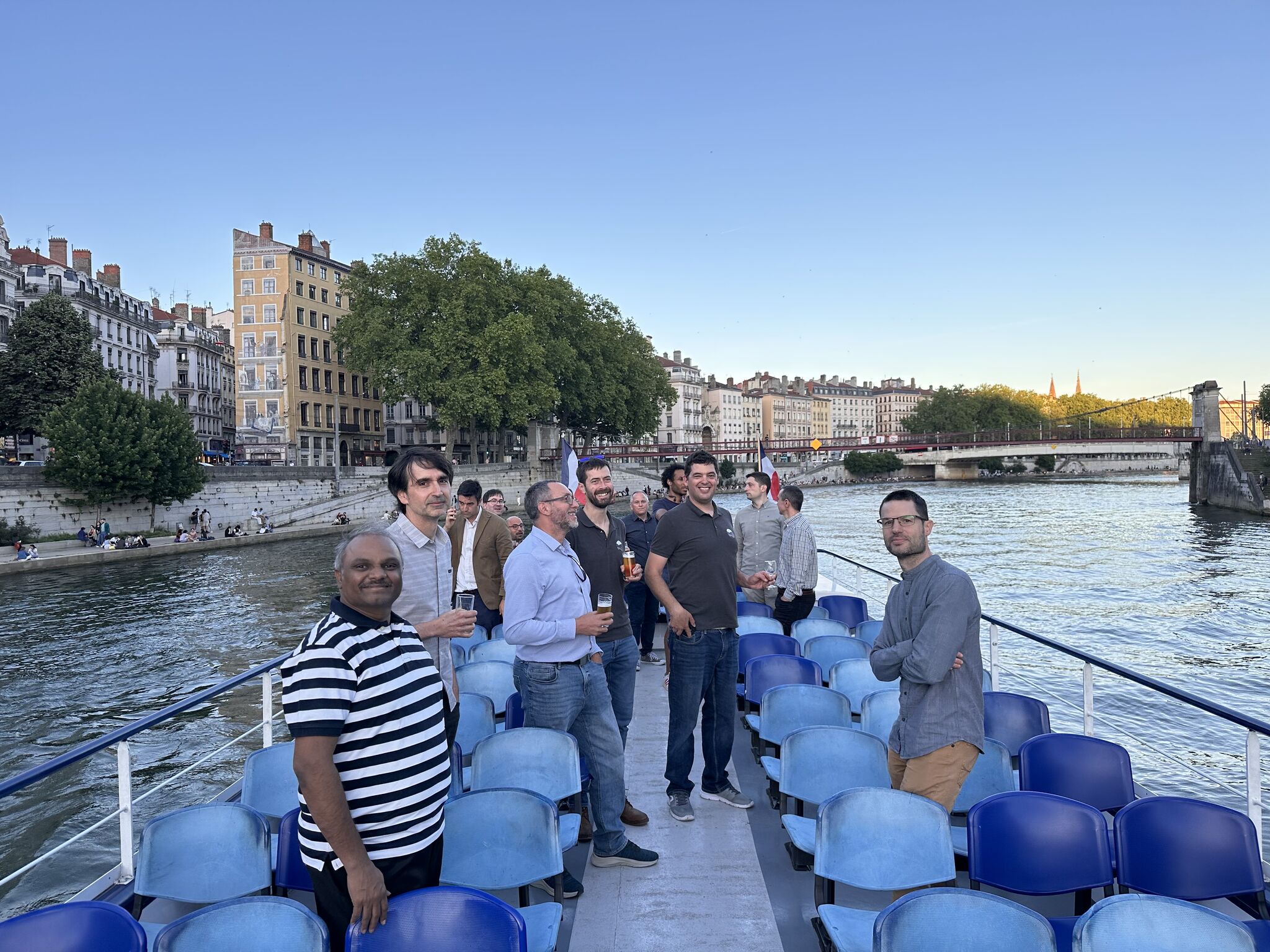
The afternoon featured collaborative diagnostic workshops in which participants broke into groups to surface SEAPATH’s main strengths: what to keep and reinforce,key challenges and gaps, and what to change or add. Groups worked in a structured round-robin format before presenting back to the full plenary. Day 1 concluded with visits to the RTE Campus, live demonstrations of the R#SPACE system and VIP’R protection project, and a social dinner aboard a cruise on the Rhône.
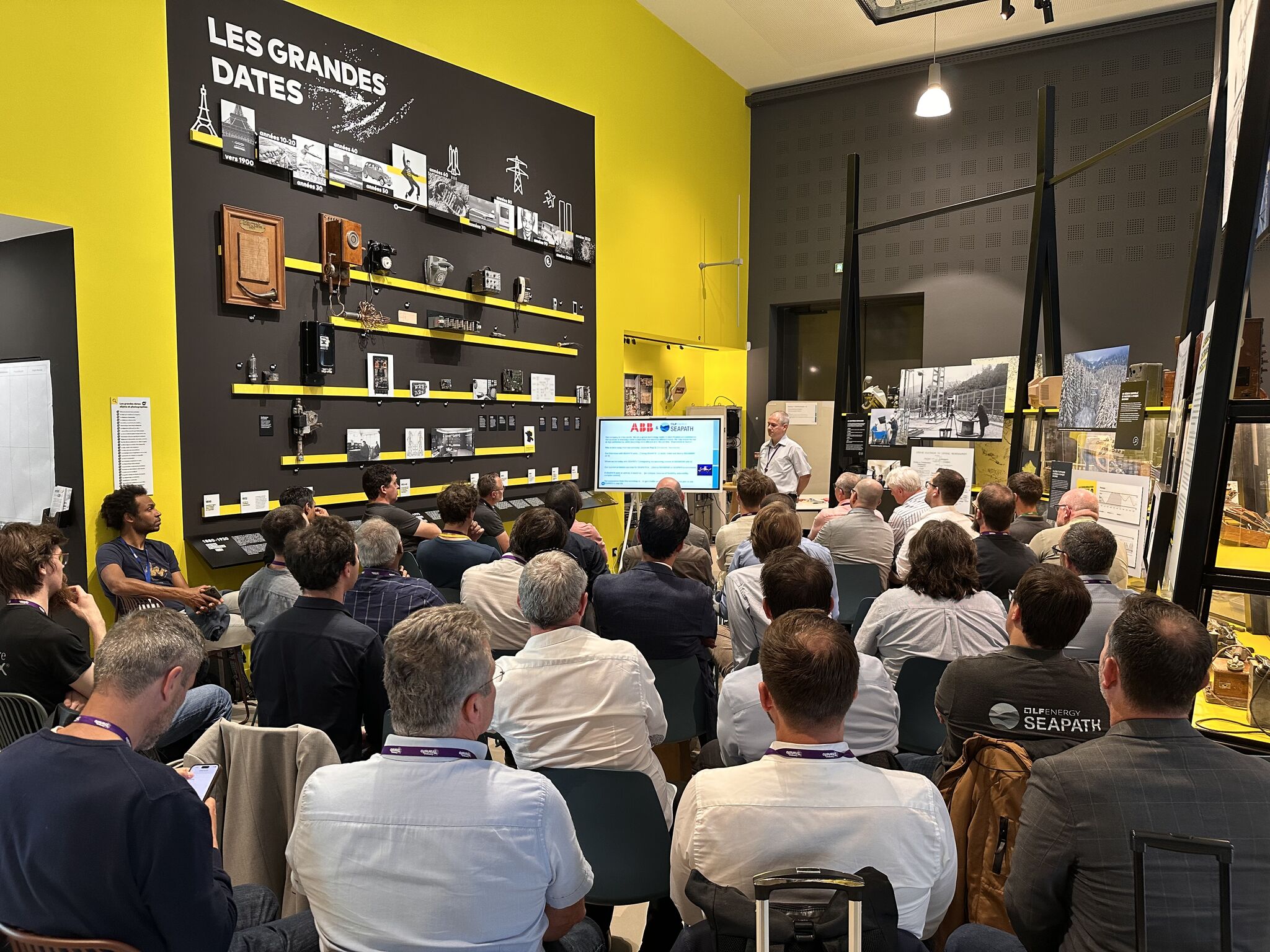
Day 2: Building the New Roadmap
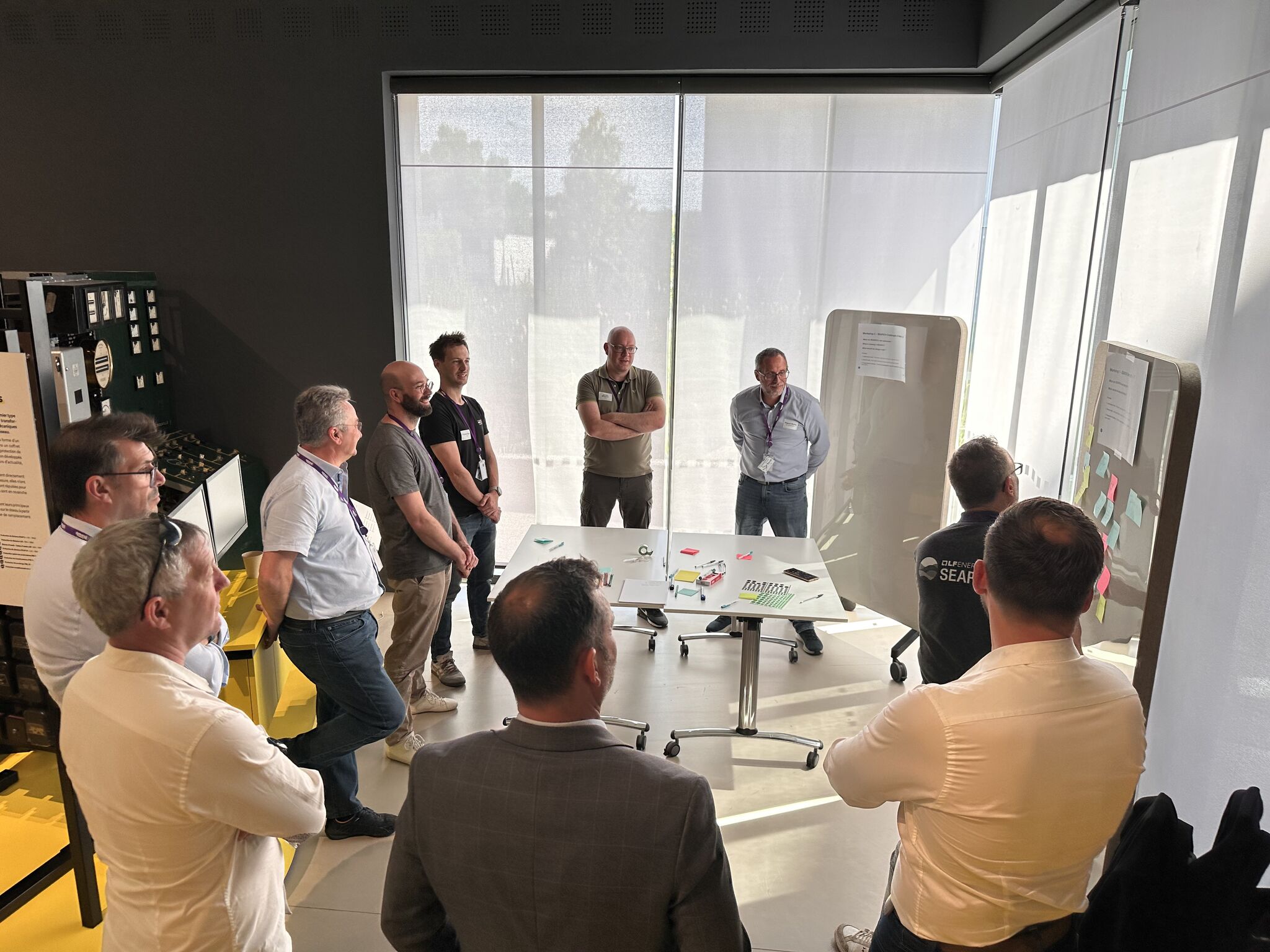
The second morning was fully dedicated to forward-looking roadmap definition. Participants chose two of four thematic workshops to join, each facilitated by a core team member:
Topic 1 – Long-Term Support / Business Model (Facilitated by Lucian Balea & Christophe Villemer): Addressing how SEAPATH can evolve a sustainable governance and commercial support model, including hardware/software certification, commercial offerings, and the role of the SEAPATH Technical Steering Committee.
Topic 2 – Project Lifecycle (Facilitated by Eloi Bail): Covering the ongoing refactoring of Yocto, Debian, and Ansible components; the evolution of the SEAPATH Installer; documentation-as-code practices; and CI/CD orchestration and update mechanisms.
Topic 3 – Future Features (Facilitated by Bastien Desbos): Exploring the roadmap for container support, a configuration and deployment UI, IEC 61850 stack integration, PRP software, and other emerging capabilities.
Topic 4 – SEAPATH Maintenance (Facilitated by Erwann Roussy): Examining monitoring and supervision, update mechanisms, cybersecurity scope, integration with the Glasswing security project, and the definition of SEAPATH’s scope going forward.
Each group worked through a structured action template, identifying what, why, who (leader, contributor, informed), and when, before presenting outputs in a final plenary session. The result is a rich, community-sourced set of priorities that will feed directly into the next iteration of the SEAPATH roadmap.
A Truly Cross-Industry Ecosystem
One of the most striking aspects of the workshop was the breadth of the organizations in the room. The 19 participating organizations represented every layer of the virtual substation stack:
- Utilities and TSOs/DSOs: RTE, Alliander, Elia Group, ENEDIS
- PAC and Application Vendors: ABB, GE Vernova, Schneider Electric, Sprecher Automation, EcoPhi, OMICRON
- Hardware Vendors: Advantech
- System Integrators and Services: RTE International, Savoir-faire Linux, Capgemini, Circe, SMILE, ZIV, Red Hat, SUSE
Each brought a distinct perspective. Alliander, the largest DSO in the Netherlands, is targeting SEAPATH for its next-generation Software Defined Substation by 2030, waiting on enterprise support. ENEDIS, with 37 million customers across France, is running platform comparisons as part of its PCCV virtualization project. Elia Group is operating a three-node SEAPATH cluster in its lab and planning to deploy it for virtualized substation applications across Belgium and Germany. ZIV has committed to deploying a non-real-time pilot within three months, with real-time protection to follow. And EcoPhi is already running a full virtual application stack on a SEAPATH standalone server, fed by merging units on live 225/400 kV lines.
What’s Next
The SEAPATH TSC meets monthly, with upcoming sessions on June 11, July 9, August 13, and September 10, 2026. The September meeting coincides with the LF Energy Summit Europe, taking place September 15–16 in Berlin, Germany, where a SEAPATH Meetup is scheduled for September 17th.
The outputs of the Roadmap Workshop will be distilled into a formal roadmap by the TSC and core maintainer team over the coming months. Community members who want to follow along or contribute are encouraged to join the conversation.
About SEAPATH
SEAPATH is an LF Energy open source project providing an industrial-grade Linux-based virtualization platform for electrical substation Protection, Automation, and Control (PAC) functions. Initiated in 2019 by RTE and Savoir-faire Linux, SEAPATH enables utilities and vendors to deploy virtualized IEDs, HMIs, gateways, and other substation applications on standard server hardware, meeting the deterministic performance requirements of grid operations.
Stay Connected
Website: https://seapath.energy/
GitHub: https://github.com/seapath
Mailing list: https://lists.lfenergy.org/g/SEAPATH
Slack: https://lfenergy.slack.com/archives/C01EH8ZLJTC
LinkedIn: https://www.linkedin.com/showcase/seapath-project/
TSC Calendar: http://calendar.lfenergy.org