


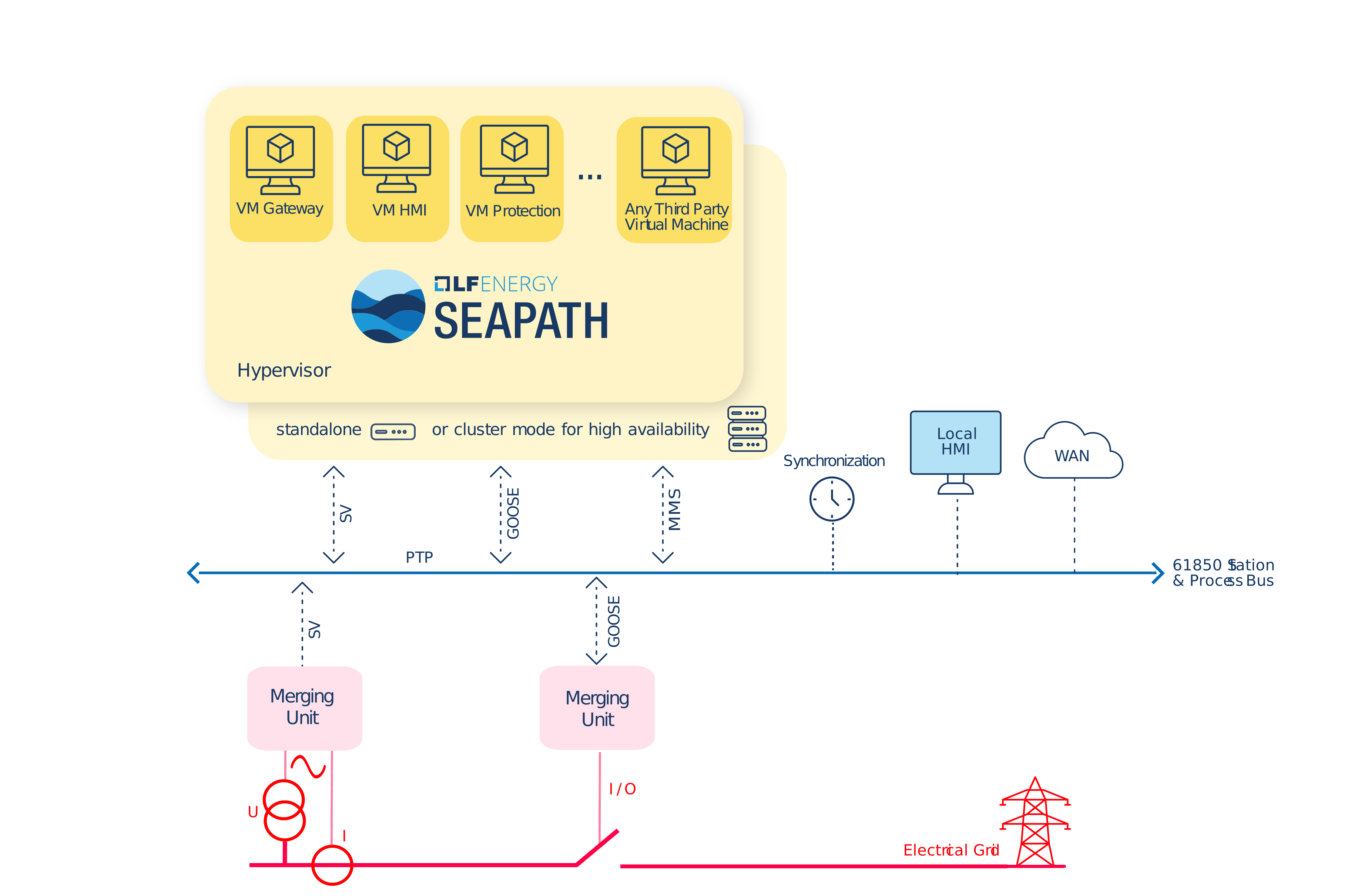
SEAPATH is an open source software hypervisor designed for IEC 61850 Digital Substation Automation Systems. It has been designed and built as an industrial-grade solution dedicated to the critical context of digital stations, meeting the challenges of interoperability, real-time performance, high availability, standards compliance and cybersecurity constraints. SEAPATH hosts and runs vPAC (Virtualized Protection, Automation and Control) applications for the power grid industry (and potentially beyond).
Project Lifecycle Stage
Graduated
Project Special Interest Group
Digital Substations
SEAPATH is a best-of-breed technology that combines mature, existing open source components to create a robust, hardware- and software-agnostic solution that meets high performance expectations (real-time) of its use cases. The project has been developed according to cybersecurity best practices, and utilizes state-of-the-art continuous integration with over 700 daily tests to ensure, for example, that a virtual intelligence electronic device (vIED) hosted/managed by SEAPATH meets the desired criteria in terms of latency and robustness.
SEAPATH is a collaborative project at the convergence of IT/OT, bringing together a diverse community of experts spanning Linux, IT, DevOps, cybersecurity, and electrical engineering.
SEAPATH is an acronym for Software Enabled Automation Platform and Artifacts (Therein). It is part of the LF Energy Digital Substations Special Interest Group.
Project Features
SEAPATH currently or will include the following features:
- Ecosystem agnostic, easily used and extended by third parties
- Hardware agnostic: can be installed on different types of servers and architectures (x86, ARM, etc.)
- Vendor agnostic: a heterogeneous variety of virtual machines can be deployed and managed on the platform.
- Open source: released under a permissive open source license (Apache 2.0), enabling effortless adoption, customization, integration into existing projects, and commercialization opportunities for users.
- On-going integration with other LF Energy digital substation projects, such as CoMPAS
- High performance, ready for IEC 61850 applications
- Real-time capabilities: can host applications with high performance needs.
- Time synchronization: natively support NTP and PTP (IEEE 1588) synchronizations.
- Resilience, robust for mission-critical systems
- High availability and clustering: offers cluster functionalities to guarantee availability in case of hardware or software failures.
- Distributed storage: data and disk images of the virtual machines are replicated and synchronized to guarantee its integrity and availability on the cluster.
- Infrastructure as code, allowing automated and remote system management
- Configuration: initial configuration is done using scripted tasks, ensuring exact replication of desired operations and avoiding manual errors.
- Administration: can be easily managed from a remote machine connected to the network as well as by an administrator on site.
- Intensive testing, guaranteeing capabilities and avoiding regression
- Continuous integration: Every development on the platform must pass more than 700 unit tests, real time tests and latency tests.
- Testing-driven cybersecurity approach: each requirement is ensured through extensive unit tests.
- Virtualization, to run virtual machines hosting Operational Technology (OT) functions
- Open source type 1 hypervisor builtin linux kernel – KVM
- Virtualization API used to manage hypervisor – libvirt
- Easily manage VM with custom tool – vm_manager
SEAPATH in Digital Substations
SEAPATH is designed to host various types of vIEDs. It meets the necessary criteria to enable these vIEDs to communicate using the IEC 61850 protocols.
Case Studies
- EcoPhi on SEAPATH: Virtualizing Substation Monitoring and Analytics for Grid Efficiency and Reliability
- National Grid Electricity Transmission and GE Vernova Collaborate on LF Energy SEAPATH to Advance Virtualized Protection and Control
- RTE Deploys LF Energy SEAPATH for Virtual Protection Automation and Control
Contributing Organizations





Related Posts


LF Energy Expands Global Energy Ecosystem with New Members, Open Source Projects and Technical Milestones
Expanded membership, new open source grid tools and portfolio advancements highlight industry commitment to shared digital energy infrastructure Summary European Regional Coordination Center Coreso and global energy management leader Landis+Gyr have joined LF Energy as general members. LF Energy welcomes new projects AssetLife, CityLearn, EnerGNN and Smart HEMS Benchmark to expand its open grid management…

SEAPATH Becomes LF Energy’s First Graduated Project
SEAPATH has become the first project in LF Energy’s history to reach the Graduated stage. Grid2Op and OpenGridFM have been approved to move to Incubation, while CoMPAS moves to Early Adoption. LF Energy’s project lifecycle sets milestones and requirements for projects as they develop. With its move to Graduation, SEAPATH enters the stage for projects…
Announcing SEAPATH v2.0: Advancing Open Source Virtualization for Digital Substations
The energy sector must deliver affordable, reliable, safe, and clean energy. Achieving these outcomes requires digitalization. As utilities modernize the grid to handle variable generation and electrified demand, the substation is a critical focal point. Traditionally, substations rely on dedicated hardware for each function. This creates dependency on single-vendor roadmaps and limits flexibility. To address…

LF Energy Welcomes New Members, Launches Three Projects, and Advances Open Source Grid Technology Across the Portfolio
LF Energy welcomes new members AZX, EcoPhi, and Empa; launches the AINETUS, URPX, and CUPID projects; advances Power Grid Model to Early Adoption; and highlights a TenneT case study demonstrating a 10x performance improvement using PowSyBl. Recent releases across EVerest, OperatorFabric, FlexMeasures, and other projects underscore continued momentum across the LF Energy ecosystem.
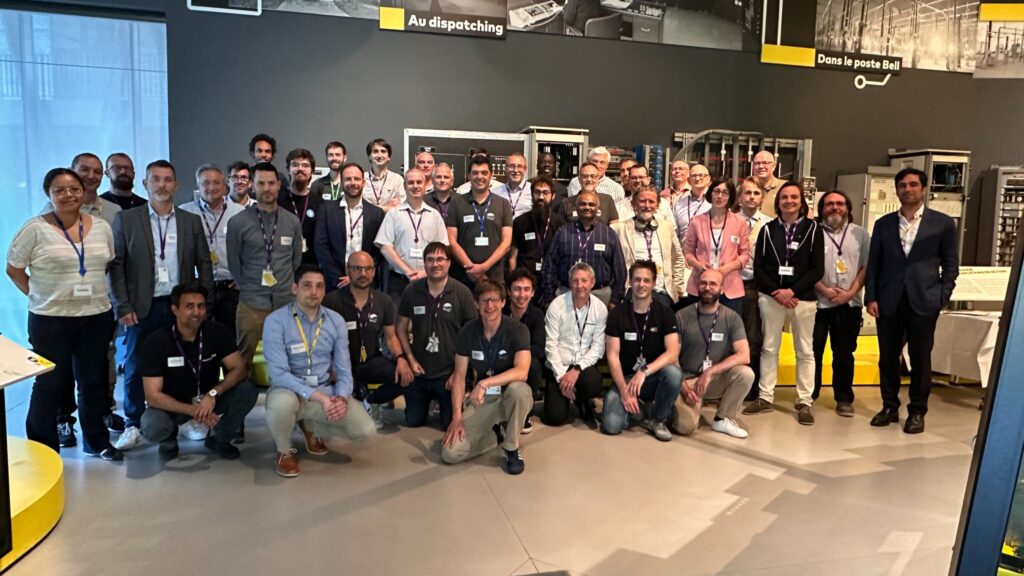
The SEAPATH Roadmap Workshop 2026 – A Growing Ecosystem Shapes the Future of Virtual Substations
On 21-22 May 2026, the LF Energy SEAPATH community gathered at RTE's Campus Transfo in Lyon, France – where, as the campus motto reads, "the future of electricity transmission takes shape" – for the first-ever SEAPATH Roadmap Workshop. With 45 participants representing 19 organizations from across the energy and open source software ecosystem, the two-day…

Related Videos

What Do Virtualization and SEAPATH Really Change for RTE ? - Bastien Desbos, RTE
SBOM & Vulnerabilities in SEAPATH - Mathieu Dupré, Savoir-faire Linux
SEAPATH Roadmap Workshop: Advancing Open Source Virtualization for Digital Substations
June 25, 2026 4:52 pm